How the Ohaiyo Font Became My Favorite Creative Tool
The afternoon light was perfect on my desk, highlighting the crisp edges of a freshly printed test label. I was finalizing a design for a new line of hand-poured citrus candles, and the text was the last piece of the puzzle. I had tried a few more formal options, but they felt stiff against the bright, cheerful illustration. Then I switched the font to Ohaiyo. Suddenly, the words “Sunshine & Sage” weren’t just a name; they were an invitation. The playful, authentic character of the letters seemed to dance on the label, perfectly capturing the fun and natural essence of the product. It was the moment I knew this font wasn’t just another design asset; it was a creative partner.
The Personality of Playful Typography
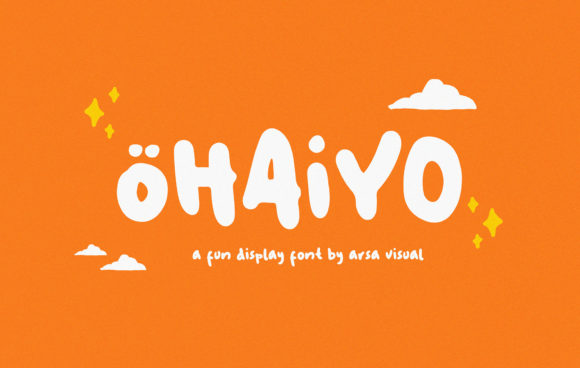
Ohaiyo is a display font with a heart. Its charm lies in that balance between structured form and spontaneous energy. Each letter feels hand-drawn yet consistently crafted, embodying a mood of lighthearted authenticity. For makers and sellers, this visual personality is a powerful tool. It translates playfulness and approachability directly onto your products. When your brand or product story involves joy, creativity, childhood, education, or simply a warm, human touch, Ohaiyo communicates that instantly. It’s the typographic equivalent of a friendly smile on your packaging or a cheerful note on your card.
Bringing Ohaiyo to Life on Real Products
The true test of any font is how it performs in the real world of crafting and selling. From digital mockups to physical merchandise, Ohaiyo has proven incredibly versatile.
For labels and tags, it adds immense production value. I use it for bespoke candle labels, handmade soap wrappers, and boutique garment tags. The font’s distinct style makes a product feel special and considered, not generic. On a small sticker for a jar of honey or a tag for a knitted baby blanket, Ohaiyo lends a perceived quality that customers recognize and appreciate.
In the realm of paper goods and stationery, it shines. Designing a birthday party invitation with Ohaiyo for the main event title sets a tone of fun from the outset. For wedding stationery—think welcome signs, seating charts, or favor tags—it can inject a dose of whimsy and warmth into the design, especially when paired with more elegant scripts or serifs. Printable wall art featuring inspirational quotes or family names gains an extra layer of personality when rendered in this font.
Moving to digital creations, Ohaiyo is a star for printable planners, coloring sheet titles, and digital template previews. Its strong character ensures that even in a thumbnail on an Etsy listing, your product stands out with a clear, engaging mood.
And for wearable and durable goods, it holds its own. I’ve designed tote bag illustrations and mug decals where Ohaiyo forms the central message. On a t-shirt for a children’s activity group or a sign for a craft fair booth, the font’s readability and charm ensure the message is both seen and felt.
Practical Tips for Design and Readability
Ohaiyo is, by nature, a display font. It’s perfect for short phrases, product names, titles, headlines, and decorative wording. I primarily use it for the hero text on a design: the product name on a label, the main greeting on a card, the title on a wall art print. It’s not intended for long paragraphs of body text.
When working with cutting machines like Cricut or Silhouette for stickers or vinyl decals, Ohaiyo’s clear, open forms generally cut very well. For very small stickers—under an inch tall—I recommend testing a proof to ensure intricate details like the unique curves of letters like ‘a’ or ‘o’ remain clean. On printed product labels and cards, it maintains excellent readability at reasonable sizes, adding character without sacrificing clarity.
One of my favorite design steps is font pairing. Ohaiyo’s playful voice often needs a calm counterpart for balance. I frequently pair it with a very clean, neutral sans-serif font for all the necessary practical information (like ingredients, dates, or instructions). This combination allows Ohaiyo to be the emotional anchor, while the paired font handles the supportive details, creating a harmonious and professional-looking layout.
Essential Considerations for Commercial Use
Before using any font like Ohaiyo for physical products, digital downloads, or templates you sell, a few checks are crucial for a smooth, professional process. Always review the included styles and features. Does the font file offer alternates or ligatures that could add unique flair to specific designs? Confirm the supported file formats to ensure compatibility with your design software (like Adobe Illustrator, Procreate, or Canva) and cutting machine software.
Most importantly, verify the commercial license. A premium font like Ohaiyo typically includes a commercial license, but it’s your responsibility to read it. This license grants you the right to use the font on products you sell, whether they’re physical items like mugs and candles or digital items like PDF templates. It ensures your creative work is built on a solid, legal foundation. Also, check for multilingual support if your products might require special characters.
The Emotional Impact on Your Brand
Choosing a font is more than a aesthetic decision; it’s a branding one. Consistency in your typography builds customer recognition. If Ohaiyo becomes part of your brand identity—used across your packaging, your shop banner, your social media graphics—it creates a cohesive and memorable visual world for your audience.
This font, in particular, drives emotional appeal. Its inherent playfulness engages people on a personal level. It can make a customer feel like your product is made with joy, or that your printable is designed for fun. In a market full of choices, that emotional connection, facilitated by thoughtful design elements like your typeface choice, can be what turns a viewer into a buyer.
From that first candle label to the seasonal holiday tags I’m designing now, Ohaiyo has woven itself into my creative workflow. It’s a tool that reminds me why I started making things: to share a bit of joy and authenticity. And now, it helps my products say that, quite literally, in the most charming way possible.